



Rooted Calm


Residential Bathroom
Chu Phuong Anh
About the Design
What is the inspiration for your design?
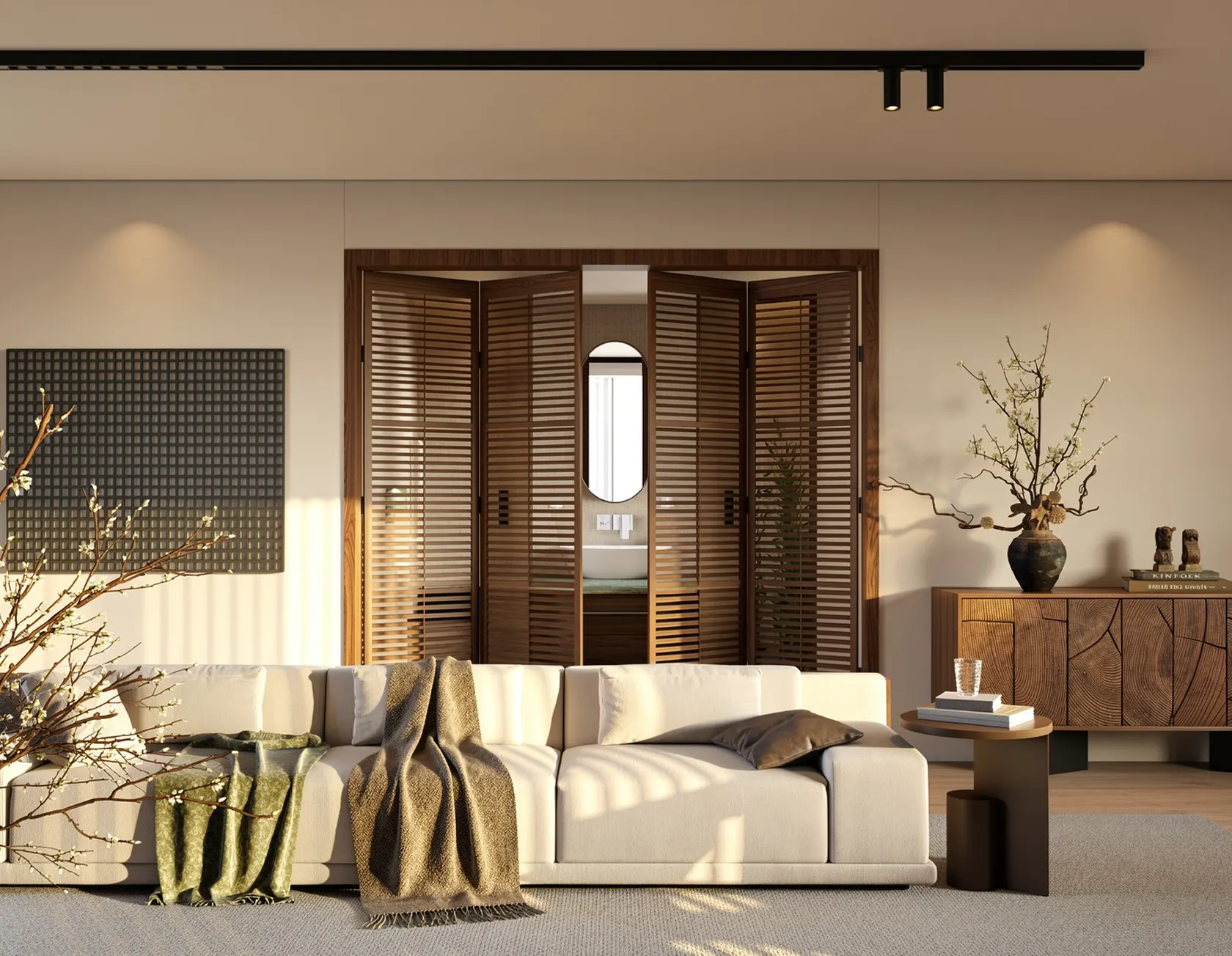
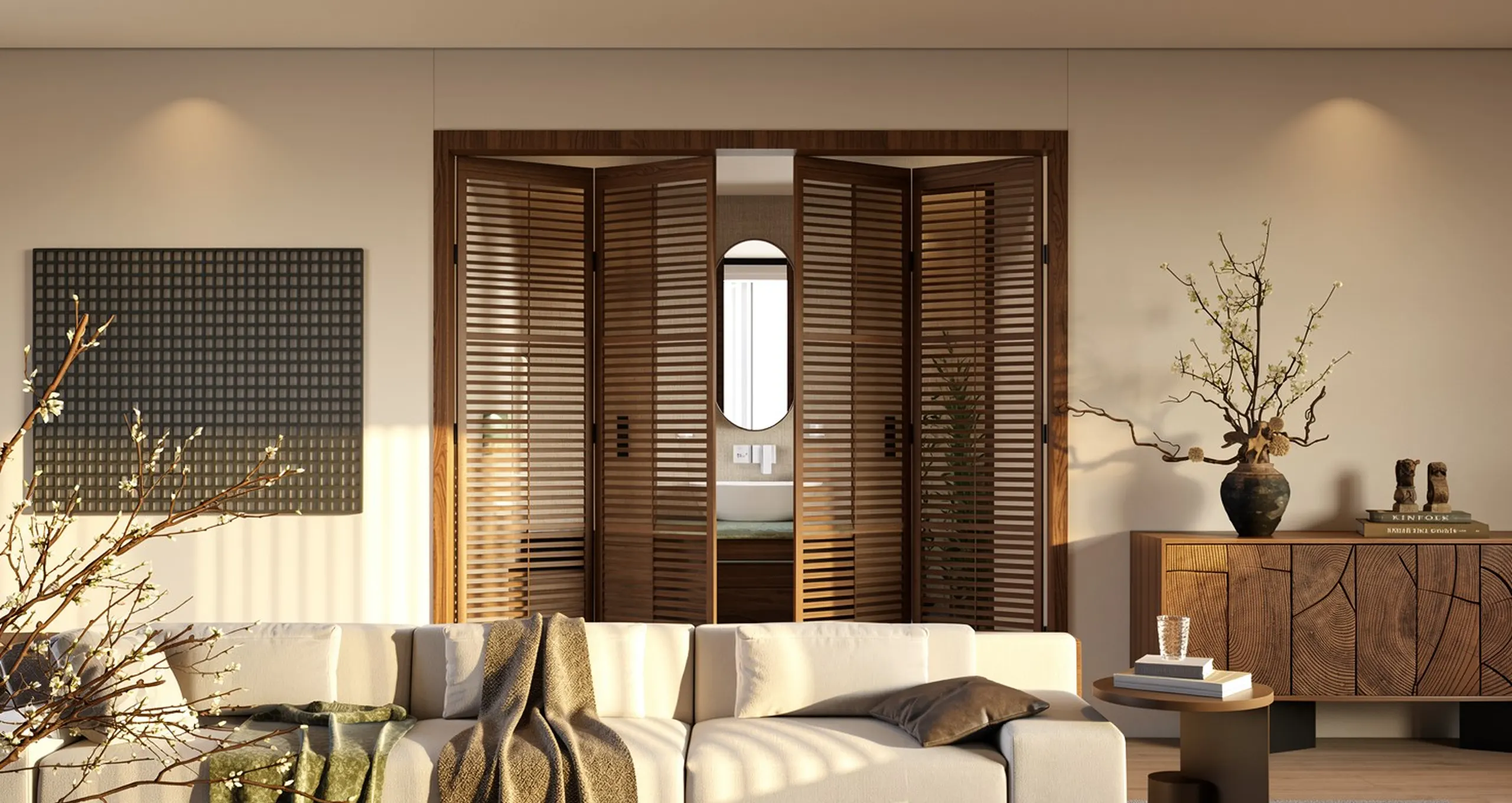
The inspiration for this design comes from the meditation method: grounding—returning the human state to its essential balance of mind, body, and earth. In the modern world, people are constantly pulled by speed, screens, and ego, gradually losing touch with their inner self and the quiet language of the body. This design is an intentional pause. It brings the breath of a tropical forest indoors: damp air after rain, textured surfaces that feel raw and honest, pebbles beneath bare feet, muted greens and earth tones that calm the eyes. Materials are chosen not to impress, but to soothe—to remind users of nature’s slow rhythm. The space becomes a gentle act of healing, where reconnection happens naturally, and the inner self is allowed to rest, breathe, and return to stillness.
How does the design fulfill the need of the target users?
This multifunctional bathroom responds to the diverse needs of a multigenerational family by balancing safety, comfort, emotional calm, and everyday enjoyment. Physical safety and confidence for elders. The forest-like atmosphere offers a moment of mental release from daily pressure for adults. With children, water, texture, and natural elements turn everyday routines into a quiet exploration and sparking curiosity. At the same time, visual connections and spatial zoning maintain a sense of togetherness— family members are aware of one another, giving each person independence without isolation. The bathroom becomes more than a functional room; it is a shared environment that nurtures calm, trust, and connection, turning everyday routines into moments of care and quiet bonding.
How does the design fulfill the design challenge?
The design responds to the ASDA 2026 challenge by rethinking how a limited bathroom footprint can support multiple users, moments, and emotions without spatial conflict. Instead of dividing by rigid walls, the space is carefully zoned through layers: basin, shower, and toilet are separated yet visually connected, allowing simultaneous use within a compact area (6-7sqm). Sliding doors, recessed storage, and wall-hung fixtures reduce visual and physical clutter, maximizing usable floor space. Each zone is defined by material shifts—pebble flooring, textured walls, soft lighting—rather than size, proving that small areas can still feel rich and immersive. By integrating multi-functional elements and flexible boundaries, the design transforms spatial constraints into an advantage, creating a bathroom that is efficient, calm, and adaptable. This approach directly addresses the challenge of limited area while elevating everyday rituals into meaningful, well-organized experiences.
How does the choice of products contribute to the purpose of the design?
The choice of products directly strengthen the design’s purpose of calm, safety, and shared yet flexible use. Wall-hung sanitary ware and concealed systems reduce visual weight, allowing the space to feel open and grounded despite its limited size. Rain showers and thermostatic mixers create a gentle, nature-inspired water experience that echoes forest rainfall, supporting relaxation and mental ease. Safety grab bars, intuitive controls, and ergonomic fittings are discreetly integrated, ensuring confidence and comfort for users of all ages without breaking the serene aesthetic. Minimal, soft-edged accessories and a vessel basin with natural proportions align with the pebble-inspired concept, strengthening the emotional connection to earth and water. Together, these products are not treated as isolated objects but as part of a cohesive system—quiet, reliable, and human-centered—helping the space function smoothly while preserving its meditative, grounding atmosphere.