



MAMA: The Return of Care



Residential Bathroom
Ebene Hartono

About the Design
What is the inspiration for your design?
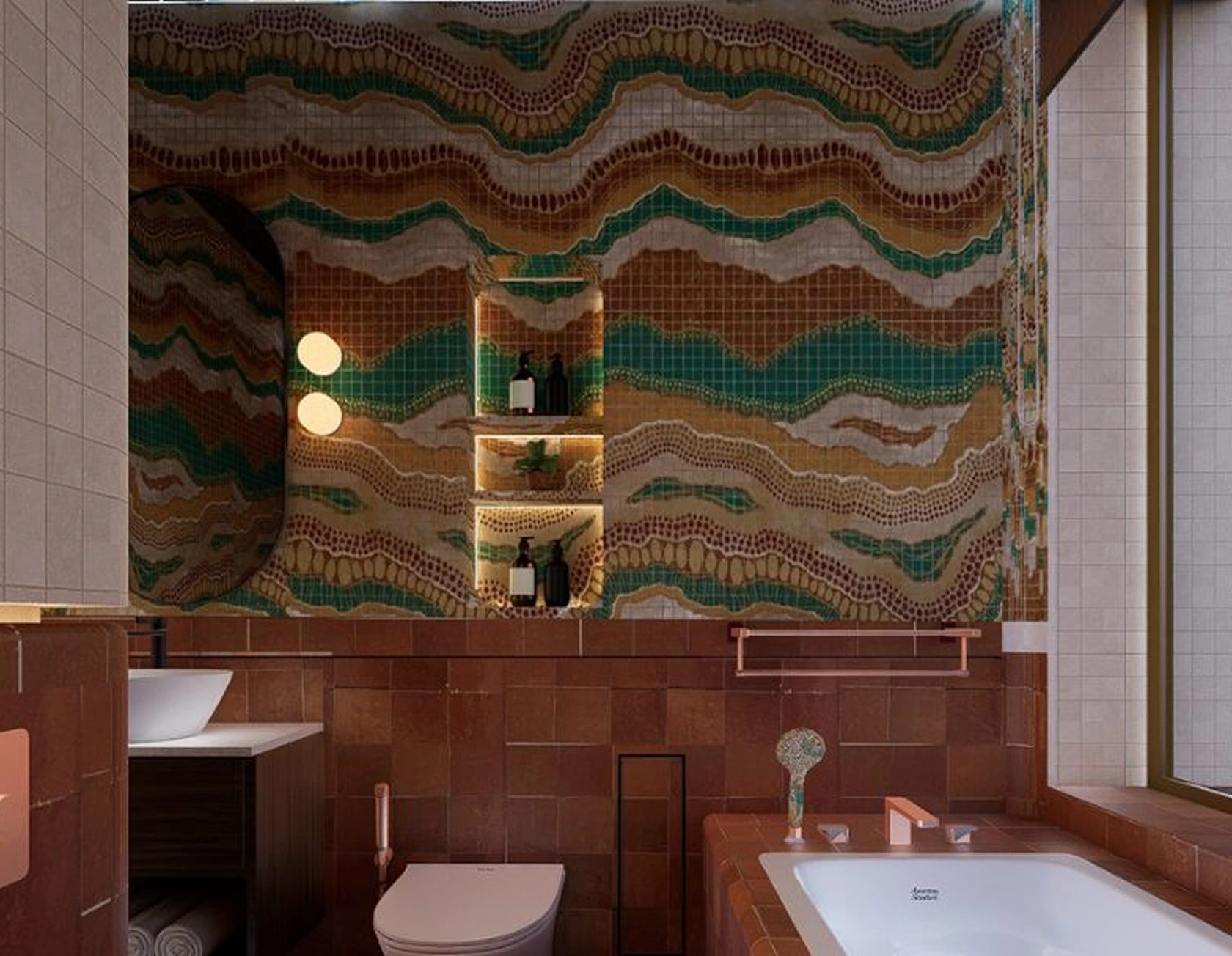
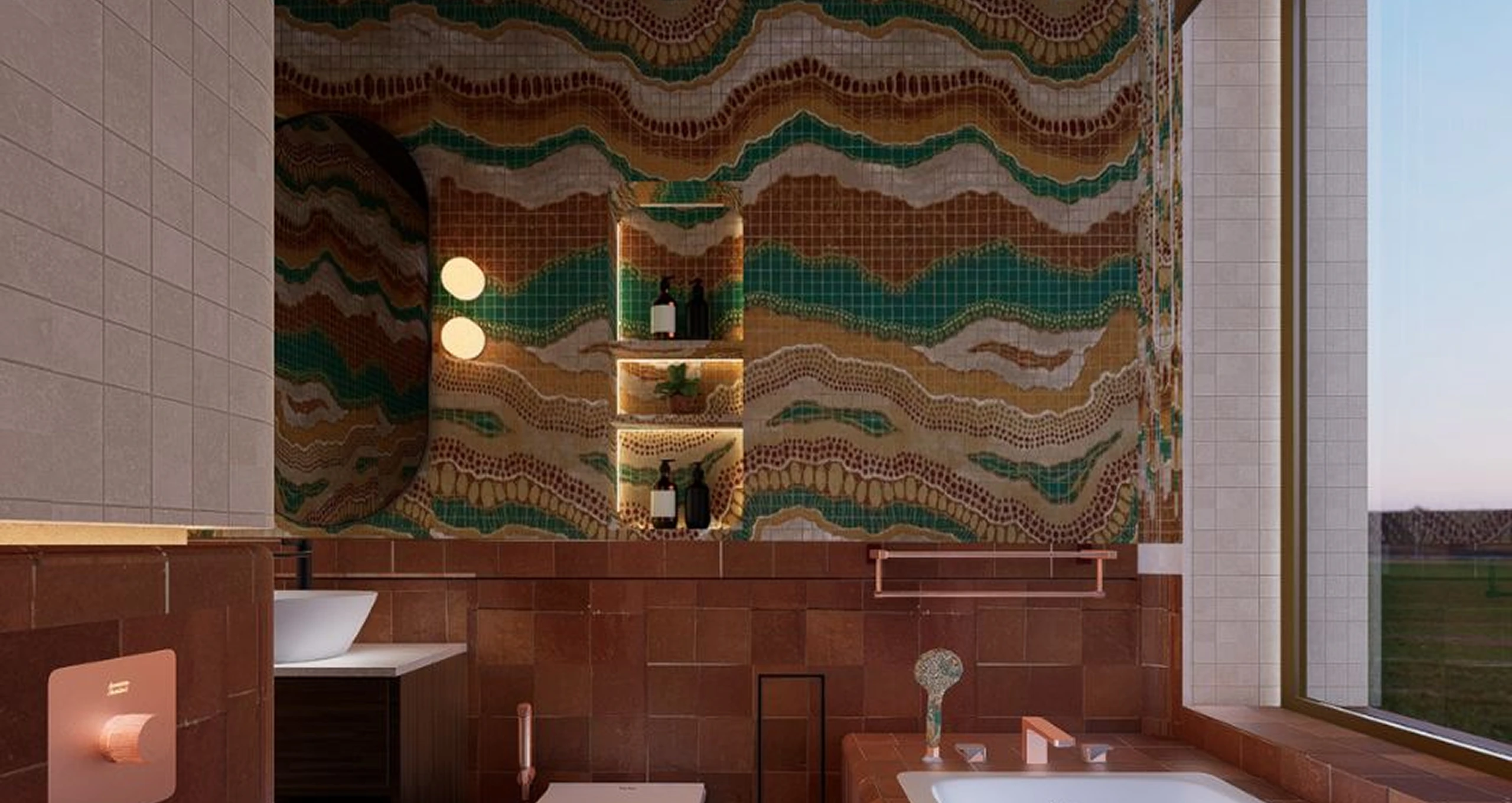
The inspiration for this design comes from a quiet reversal of roles between mother and child. It originates from a shared memory many people carry, being bathed by a mother during childhood, and the later moment in life when the child begins to care for the mother in return. This emotional transition becomes the core narrative of the bathroom. The design translates this idea into spatial elements that support care with dignity: a bathing seat that allows the mother to be assisted safely and comfortably, hidden handrails that provide support without appearing clinical, and ceramic patterns inspired by the familiar motifs of a mother’s house dress. These everyday domestic references transform the bathroom from a purely functional space into an intimate environment filled with memory and warmth. Rather than emphasizing aging or dependency, the design is inspired by reciprocity, tenderness, and the continuity of care across generations.
How does the design fulfill the need of the target users?
The design responds to the physical, emotional, and psychological needs of aging mothers and their adult children who now take on a caregiving role. Functionally, it prioritizes safety and comfort through ergonomic bathing elements, discreet support features, and slip-resistant surfaces that allow assisted bathing without creating a clinical atmosphere. Emotionally, the space is designed to preserve dignity, avoiding visual cues that suggest dependency or illness. By integrating familiar domestic elements, such as ceramic patterns inspired by clothing and household memories, the bathroom becomes a comforting, intimate space rather than a medical one. This helps reduce feelings of vulnerability for the mother and emotional strain for the caregiver. The design also supports independence wherever possible, allowing the mother to participate actively in daily routines while receiving subtle assistance. Overall, the design balances care, safety, and emotional warmth, ensuring the users feel respected, secure, and emotionally connected within the space.
How does the design fulfill the design challenge?
The design addresses the challenge of creating an assisted-care bathroom that is both highly functional and emotionally sensitive. Rather than treating aging as a problem to be solved, the design reframes care as a continuation of love and reciprocity between generations. It successfully merges accessibility requirements, such as safe bathing support, ease of movement, and assisted use, with a warm, domestic aesthetic that avoids the stigma of institutional design. By hiding assistive features within familiar forms and materials, the space maintains a sense of normalcy and personal identity. The design challenge of balancing safety and dignity is resolved through subtle integration, ensuring that support elements do not dominate the visual experience. Additionally, the narrative-driven approach transforms the bathroom into a meaningful environment that reflects shared memories and emotional bonds. In doing so, the design goes beyond problem-solving and becomes a storytelling space that humanizes the caregiving experience.
How does the choice of products contribute to the purpose of the design?
The selected products play a crucial role in reinforcing both the functional and emotional intent of the design. Each product is chosen not only for its performance and safety but also for its ability to blend seamlessly into a domestic setting. Bathing fixtures are designed with ergonomic proportions and integrated support, ensuring comfort and stability without drawing attention to their assistive function. Materials such as ceramic, soft matte finishes, and warm textures evoke familiarity and memory, supporting the emotional narrative of care and tenderness. The use of concealed handrails and thoughtfully designed seating allows assistance to be provided discreetly, preserving the user’s dignity. Product forms are gentle and non-institutional, reinforcing the idea that this space is a home, not a healthcare facility. Together, these product choices support a design that enables safe caregiving while maintaining intimacy, warmth, and respect for the user’s life experience.